

top of page
Search

How to Know If You’re Dealing with a Hidden Leak (Before It Turns into a Disaster)

Picture this: the house is quiet, nothing’s “wrong,” and yet your water bill creeps up, a faint musty smell lives in one room, or a new hairline crack shows up in the ceiling below the upstairs bath. Hidden leaks don’t make a big scene—until they do. And by the time you see stains or sagging drywall, the fix is bigger than it needed to be.

plumbing repair works

This guide will help you spot the subtle signs, run a few safe at-home tests, and know when to bring in MACA Plumbing for professional leak detection. Catching leaks early is one of the highest-ROI things a Stamford homeowner can do.


What counts as a “hidden leak”?

Any water escaping in a place you can’t easily see qualifies. Common examples in Stamford homes:

  • A slow drip on a supply line to a toilet, ice maker, or faucet inside a cabinet.

  • A pinhole in a copper pipe inside a wall or ceiling.

  • A failing wax ring at a toilet that wets the subfloor, not the bathroom tile.

  • A shower valve or tub drain that leaks into the wall cavity.

  • A slab leak (pressurized line leaking under the concrete).

  • A buried or crawlspace leak that evaporates before you ever notice puddles.

The theme: water quietly leaving the plumbing system where it shouldn’t, creating damage over time.


The quiet red flags most people miss


1) Your water bill tells a story.

Not a spike from filling a pool—just a steady month-over-month climb without a lifestyle change. If your usage keeps inching up, something is running or dripping out of sight.


2) “Ghost running” or hissing.

Toilets that refill when no one used them. A faint hiss when a faucet is off. A distant trickle behind a wall. Your ears are better leak detectors than most people realize.


3) Mystery musty smells.

A low, earthy odor in a closet, under a sink, or near a baseboard is often moisture working on wood or drywall.


4) Temperature and texture clues.

One wall or section of floor feels cooler or slightly “spongy” compared to the rest. Paint may bubble, caulk separates, or grout lines darken.


5) HVAC surprises.

If your AC is vacuuming extra humidity out of the air, you’ll see more frequent condensate drain flow. Sometimes that’s a seasonal swing—sometimes it’s evaporating hidden moisture.


6) Foundation and finish oddities.

New hairline cracks below a bathroom, nail pops, or a small ceiling patch that expands over weeks. Little changes add up.

If two or more of these show up together, don’t wait—move to testing or call us.


Five safe at-home checks (10–20 minutes each)

If anything seems unclear, skip straight to the pro steps. You won’t hurt our feelings—hidden leaks can be tricky.

A) Meter test (the best quick screen).

  1. Turn off all fixtures and appliances that use water (sprinklers, ice maker, dishwasher, washer).

  2. Locate your water meter (typically a pit at the curb or basement/utility area).

  3. Many meters have a small “leak indicator” dial. If it spins with everything off, you’ve got water movement.

  4. No leak dial? Record the reading, wait 30 minutes with everything off, and check again. Any change = flow somewhere.


B) Toilet dye tests.

Put a few drops of food coloring into the toilet tank (not the bowl). Wait 10–15 minutes without flushing. If color appears in the bowl, the flapper or seal is leaking. Repeat for each toilet.


C) Cabinet and baseboard touch test.

Use a dry paper towel to swipe the bottom of sink cabinets, around shutoff valves, and along baseboards under upstairs baths. Paper reveals faint dampness better than fingers.


D) Water heater and laundry scan.

Look for mineral trails, rust freckles, or a slow “sweat” at fittings, the T&P valve discharge, or washing machine hoses. Braided stainless hoses age out—replace them every 5–7 years.


E) Quiet-house listening.

Late evening, when the home is silent, stand in suspect rooms for a minute. A faint hiss or trickle behind a wall is a big clue.

Found something? Take photos. Even if you’re not sure what you’re seeing, pictures help us diagnose faster.


Why hidden leaks are so expensive (even when they look small)

  • Water multiplies damage. It softens subfloors, splits baseboards, and compromises drywall—then mold remediation enters the chat.

  • Pressurized leaks accelerate. A pinhole in copper can silently spray for weeks, carving a path until the ceiling gives.

  • Insurance gets picky. Many policies treat slow, long-term leaks as maintenance issues, not sudden loss. Fast detection protects both your home and your claim options.

  • Opportunity cost. Fixing one leak early often prevents the “company” it keeps—failing shutoffs, corroded fittings, and sagging cabinetry.


What MACA Plumbing does differently for leak detection

Hidden leaks are part science, part detective work. Here’s our playbook:

  1. Interview & map. We start with symptoms, floor plan, pipe materials, and recent work.

  2. Pressure and fixture isolation. We measure static/dynamic pressure, then isolate branches (e.g., shut off toilets or a suspect line) to see when the meter stops moving.

  3. Thermal and moisture scanning. Non-invasive infrared and moisture meters identify temperature anomalies and wet areas without opening walls.

  4. Acoustic pinpointing. Specialized microphones listen for turbulence in pressurized lines—helpful for slab leaks or lines inside walls.

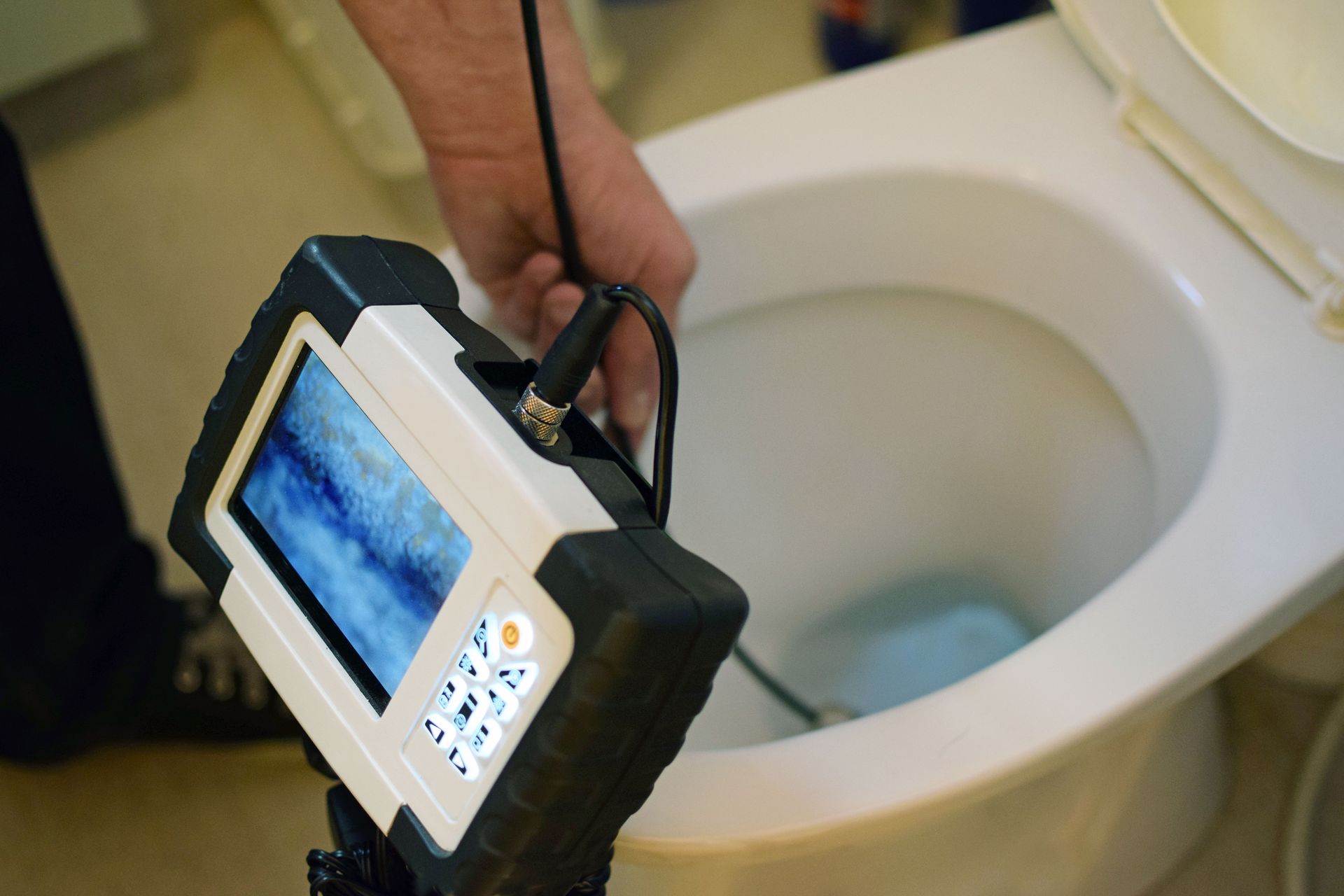
  5. Targeted camera work. If drains are suspect, we run a camera and can smoke-test vents to locate failures without guesswork.

  6. Minimal-damage access. When we must open a surface, we do it precisely, preserving finishes as much as possible and prepping clean patches.

The goal: find the leak fast, fix it right, and leave a small footprint.


Common hidden-leak scenarios we see in Stamford (and fixes we use)


Upstairs bath, downstairs ceiling stain

Often a tub overflow gasket, loose shower valve body, or a mis-pitched shower pan. We re-seal or rebuild the culprit and dry the cavity thoroughly to prevent mold.


Toilet that “never acted up” but rotted the floor

A worn wax ring can channel water beneath the flange. We reset the toilet with a proper seal, correct flange height, and replace compromised subfloor where necessary.


Kitchen sink cabinet mystery

A braided supply line with a pinhole, a weeping dishwasher connection, or a faucet base O-ring. We replace lines/parts and add new shutoffs if yours are sticky gate valves.


Basement humidity with no puddles

A tiny pressurized line leak that evaporates before pooling, or a sweating cold line. We fix the leak and add pipe insulation or mixing valves to reduce condensation.


Radiant/slab leak

Acoustic and thermal tools help pinpoint. We can reroute the line above slab or perform a surgical slab opening and repair—case by case.


When to call a pro immediately

  • The meter indicates flow with everything off.

  • Ceiling/bulkhead is actively dripping or growing a new stain.

  • You smell a strong musty odor or see visible mold.

  • Warm spots on floors over concrete (possible slab leak).

  • A toilet or shower has failed dye/pressure checks.

  • You’re preparing to sell or buy an older home and want real clarity.

Even if you’re unsure, a quick inspection beats a big tear-out later.


Prevention: the homeowner playbook that saves money

  • Know your pressure. Ideal range is often ~55–70 PSI. High pressure stresses every seal. If you have a PRV, make sure it’s set correctly and pair with a properly sized expansion tank.

  • Exercise shutoffs twice a year. Quarter-turn ball valves are best; replace sticky gate valves before you need them in an emergency.

  • Swap supply lines proactively. Toilets and faucets: braided stainless every 5–7 years. Refrigerator ice makers: use a reliable, non-piercing connection.

  • Respect your caulk and grout. Re-caulk tub/shower transitions before they crack wide open.

  • Annual whole-home plumbing inspection. One visit to catch small leaks, test pressure, flush the water heater, and camera the main if you’ve had clogs. It pays for itself.


Stamford-specific notes (because houses here have history)

  • Pre-war homes in Westover/Shippan: Original cast-iron and galvanized combinations are common; we often find slow leaks at threaded unions.

  • Mid-century splits in Springdale: Plumbing runs in low ceiling cavities—great for access, but stains show fast; early detection is key.

  • Additions and “Franken-plumbing”: Multiple remodel eras can create hidden junctions and mixed materials. Our first step is mapping it so you’re not paying for guesswork.


What it’s like to work with MACA Plumbing (in plain English)

  • Clear options, no scare tactics. If a repair stabilizes things for years, we’ll say so. If replacement is smarter, we’ll explain why and show you the math.

  • Small footprints. We open the smallest section we can; we protect flooring and finishes; we clean up like it’s our own home.

  • Documentation. Photos, videos (for camera work), and a simple summary of what we found and fixed—useful for your records or insurance.


Ready to stop guessing?

If you’re seeing quiet signs—a creeping bill, a musty room, or that one ceiling spot that “comes and goes”—let’s confirm what’s happening and keep it small.

Next steps:

Add these as internal links to your service pages.


Free, authoritative backlink to include

For readers who want national best practices on household leaks, you can add this once in the section about bills/usage: EPA WaterSense – “Fix a Leak” resources (free and credible homeowner education).


Comments


ABOUT US

Learn more about MACA Plumbing & Heating, a leading provider of plumbing and heating services in Stamford, CT, with a legacy of excellence spanning 19 years.

Screenshot 2024-09-18 at 8.52.04 AM.png

CONTACT INFO

Phone: 917-862-7526

Email: Paddytheplumber1@gmail.com

Instagram: maca_plumbing

Address: Stamford, CT.

SUBSCRIBE TO OUR NEWSLETTER

Thanks for subscribing!

© 2024 MACA Plumbing  |  All Rights Reserved. 

bottom of page