
April 17, 2026
There are many differences between tankless and traditional hot water heaters. Examining their pros and cons can help you decide which type is best suited for your household needs. As water heaters play a critical role in providing comfort and convenience in modern homes, making the right choice can significantly impact energy consumption and savings. By comparing the attributes of both systems, we aim to uncover how they align with various household requirements. From installation demands to daily operating benefits, understanding these aspects will guide you in your decision-making process. Ultimately, this detailed exploration seeks to make choosing a water heater a more informed and satisfying decision.
Overview of Water Heaters
The Role of Water Heaters in Daily Living
Hot water heaters are fundamental in ensuring that basic daily activities such as bathing, cleaning, and cooking are performed with ease and efficiency. In most households, the availability of hot water is taken for granted, but it is crucial to appreciate its underlying role in enhancing daily living conditions. Hot water systems facilitate comfort and hygiene, making them indispensable to modern households. The convenience they provide touches on nearly every aspect of domestic life, from leisurely hot showers to efficient dishwashing. Hence, selecting an appropriate water heater type is central to maintaining an uninterrupted flow of these daily activities.
Types of Water Heaters
Broadly speaking, hot water heaters fall into two main categories: tankless and traditional tank-style heaters. The traditional models store and continuously heat a specific volume of water, ensuring a constant supply but often at a higher energy cost due to standby heat loss. In contrast, tankless water heaters do not store water but heat it on demand, which can lead to significant energy savings if water usage patterns are well understood. While tankless systems are favored for their efficiency, they may not suit all household sizes, especially those with simultaneous high water demands. A comprehensive understanding of both types is essential for making an effective choice tailored to personal household needs.
Understanding Energy Efficiency
Energy efficiency is a key factor in the performance and operational cost of hot water heaters. Tankless water heaters often boast superior energy efficiency due to their on-demand heating process, which eliminates the energy losses associated with storing heated water in a tank. Traditional heaters, while reliable, are less energy-efficient because they cycle to maintain water temperatures, leading to energy losses that are reflected in higher utility bills. According to the U.S. EPA, typical showerheads can use over 2 gallons a minute, making energy efficiency a critical consideration when choosing a water heater. Therefore, evaluating energy consumption and potential savings is crucial for homeowners aiming to reduce their environmental impact and lower utility expenses.
Initial Cost vs. Long-term Savings
Initial investment and long-term savings are pivotal considerations when deciding on a water heater system. Tankless water heaters typically come with a higher upfront cost compared to traditional counterparts, due to both the unit price and the complexity of installation. However, their superior energy efficiency often results in lower operational costs over the life of the heater. This can lead to substantial savings in energy bills, which may offset the initial expenditure over time. Conversely, traditional water heaters may appeal to budget-conscious consumers due to their lower purchase price, though they tend to incur higher energy costs in the long run.
Basic Installation Requirements
The installation of hot water heaters differs considerably between tankless and traditional systems. Tankless models often require more sophisticated installation techniques, which can increase initial costs and may necessitate upgrades to existing plumbing or electrical systems. Traditional heaters, with their simple design, generally have easier installation processes, particularly if replacing an existing tank system. However, the space required for a traditional tank can pose challenges in smaller homes or for those with limited installation space. Understanding the installation needs, including any potential retrofitting requirements or space constraints, is critical for choosing the right water heater system.
Deciding Which Water Heater Is Best for Your Home
Assessing Household Hot Water Needs
Determining your household's specific hot water needs is paramount when deciding between tankless and traditional water heaters. Evaluating factors such as family size, typical water usage patterns, and simultaneous appliance use helps estimate the required hot water capacity. Larger families or those with extensive water usage may benefit from traditional systems, while smaller households or those with sporadic needs might find tankless systems more suitable. Considering varying needs ensures the system installed can efficiently meet day-to-day demands without undue strain or resource wastage. A tailored assessment helps identify the optimal solution for long-term satisfaction.
Budget Considerations
Budget considerations encompass both the initial investment and the long-term operating costs associated with each type of water heater. Initial costs include the purchase price and installation expenses, which are generally higher for tankless systems. However, these are often offset by long-term savings on utility bills due to reduced energy consumption. It's crucial to compare the overall lifecycle costs to determine which system provides the best value relative to financial constraints and energy savings goals. By factoring in potential energy efficiency gains, homeowners can make a decision that balances upfront costs with anticipated long-term benefits.
Available Space and Installation Feasibility
The amount of available space and the feasibility of installation are critical in choosing between tankless and traditional systems. For homes with limited installation areas, the compact size of tankless units offers a distinct advantage, fitting well into small or unconventional spaces. Conversely, homes with ample installation areas may not have significant constraints, allowing for efficient use of traditional tank systems without sacrificing functionality or aesthetics. Suitability checks, considering existing infrastructure, ensure the chosen system can be installed efficiently and meet operational requirements. Taking these factors into account ensures a well-integrated solution for your home.
Environmental Impact Preferences
Considering your environmental impact preferences can significantly influence the decision between tankless and traditional water heaters. Tankless systems typically offer a smaller carbon footprint due to their on-demand water heating, which reduces energy consumption. Traditional systems may contribute more towards greenhouse gas emissions because of their continuous heating cycles. Prioritizing energy-efficient solutions aligns with sustainable living goals and can result in reduced utility expenses alongside environmental benefits. Evaluating the environmental implications fosters a choice that reflects both personal values and responsible energy use.
Consulting With Professionals
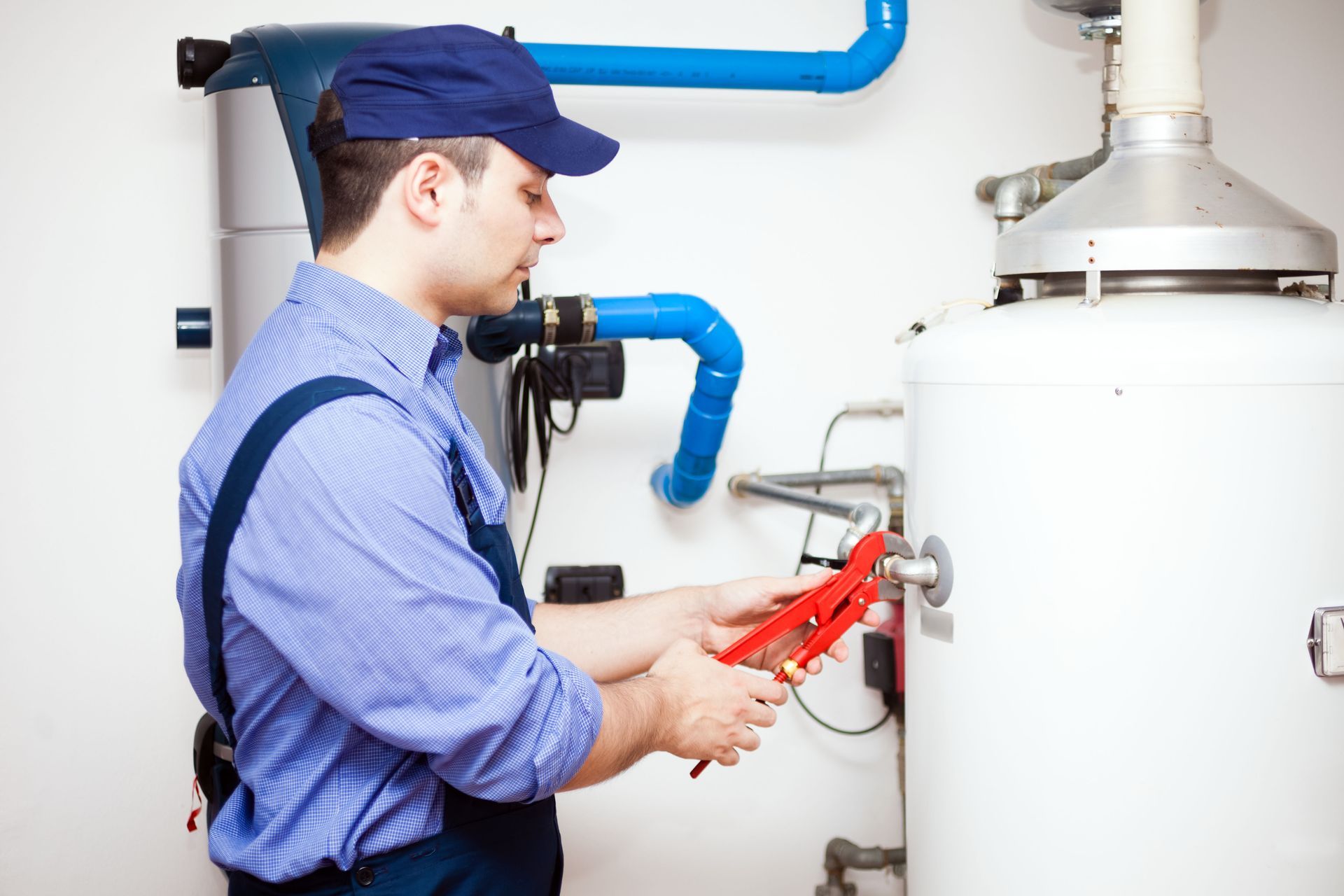
Consulting with professionals is invaluable when deciding between a tankless and traditional water heater, as their expertise provides insights into the specific needs of your home. Experienced professionals can assess your household's hot water requirements, budget, space constraints, and installation conditions to recommend the most suitable system. Their guidance can help navigate potential complications and streamline the selection and installation process. Additionally, professional input ensures compliance with regional building codes and safety standards. Engaging with knowledgeable experts supports an informed decision-making process and enhances the likelihood of long-term satisfaction.
Choosing the right hot water heaters between tankless and traditional systems involves a comprehensive assessment of household needs, budget, space, and environmental preferences. Both systems offer distinct advantages and disadvantages that need careful consideration to align with your specific requirements. While tankless systems offer energy efficiency and space savings, traditional systems provide reliable high capacity and lower upfront costs. Ultimately, the decision hinges on evaluating these factors thoughtfully while consulting with professionals to ensure an optimal choice that supports convenience, cost-effectiveness, and sustainability in your home. Reach out to MACA Plumbing today to learn more.