
June 18, 2026
Understanding the importance of a proper toilet flush is crucial for maintaining efficient plumbing and hygiene within the home. This article explores the various causes of a weak toilet flush and provides practical solutions to enhance its performance, including maintenance practices and hiring expert plumbing services.
Understanding Common Causes of a Weak Toilet Flush
Clogged rim holes are a frequent cause of a weak toilet flush. Over time, mineral deposits and debris can accumulate along the rim holes, restricting water flow during a flush. As the water flow decreases, so does the force of the flush, resulting in inefficient waste removal. Regular cleaning and inspection of the rim holes can help prevent these clogs and maintain a robust flush. Addressing clogged rim holes promptly can avoid larger plumbing issues down the line.
Flapper issues are another leading cause of flushing problems. The flapper is responsible for releasing water from the tank into the bowl, and any malfunction can severely impede this process. Common problems include a flapper that doesn't seal properly or doesn't lift fully during a flush. These issues can usually be solved by simple adjustments or replacing the flapper itself. Ensuring the flapper is in good condition helps maintain toilet functionality and prevents water wastage.
A low water level in the tank often leads to insufficient flush pressure. The water level in the tank directly influences the potential energy available for the flush. If the water level is too low, the flush becomes weak regardless of the condition of the other components. Adjusting the tank's fill valve can help maintain an optimal water level, ensuring a strong and effective flush. Monitoring water levels regularly is a proactive step in toilet maintenance.
Diagnosing Toilet Flushing Problems
Inspecting the tank components should be the first step in diagnosing flushing problems. Lift the tank lid to observe the components, such as the flapper, float, and fill valve, ensuring each is functioning correctly. Look for visible damage, leaks, or misalignments. Regular inspections can detect early signs of wear and tear, preventing more significant issues. Simple adjustments or replacements can often solve detected problems swiftly and effectively.
Checking water pressure and supply is paramount in diagnosing a weak flush. Low water pressure can severely impact the flush's strength, and this may be caused by blockages or leaks in the supply lines. Ensuring that your plumbing system maintains consistent and adequate water pressure can prevent toilet performance issues. Homeowners can use a pressure gauge to assess water pressure levels within the household. If problems persist, consulting a plumber may be necessary to explore potential causes like pipe restrictions or municipal supply issues.
Observing the flush process allows you to gather firsthand information about the performance and potential issues. Watch the entire flushing cycle to see if any irregularities occur, such as incomplete bowl clearing or prolonged tank refilling. This observation provides insights into whether the problem might be mechanical, related to water supply, or simple clogging. Once the issue is identified, a targeted solution can be applied more effectively. Proper observation ensures precise troubleshooting and a correct diagnosis of the problems at hand.
Fixing Clogged Toilet Rim Holes
Applying a mixture of vinegar and baking soda is a natural yet powerful solution for clearing mineral deposits. Pour vinegar into the overflow tube and let it sit overnight to dissolve hard deposits. Follow this by sprinkling baking soda into the holes and scrubbing gently with a brush. The chemical reaction between the vinegar and baking soda helps dislodge any stubborn debris, enhancing the water flow. This method requires patience but is environmentally friendly and cost-effective.
Commercial cleaners are available for homeowners seeking a more potent solution. These products are formulated to dissolve tough mineral buildup and sanitize the toilet simultaneously. It is essential to follow manufacturer instructions carefully to avoid damage to the toilet. Regular use of these cleaners can maintain clean and open rim holes, ensuring an efficient flush. Always consider safety and environmental impact when selecting cleaning agents.
Repairing and Replacing Flappers
Identifying flapper problems involves checking whether it creates a proper seal and lifts adequately during a flush. A failing flapper may result in continuous water filling or incomplete bowl emptying. Discoloration, warping, or visible damage are additional signs that the flapper needs replacement. Regular inspections can catch these issues early, preventing water waste due to inefficient flushing. A properly functioning flapper contributes significantly to overall toilet performance and efficiency.
When selecting the right replacement flapper, ensure compatibility with your specific toilet model. Flappers come in various sizes and materials, and choosing the correct type is essential for proper functionality. Silicone and rubber are common materials, each offering different longevity and performance benefits. Consulting with a plumbing professional or local hardware store can provide guidance in making the right choice. The correct replacement ensures durability and reliability in maintaining the toilet's function.
Ensuring Adequate Water Levels
Adjusting the float ball is a common method for maintaining proper water levels in the tank. The float ball regulates the fill valve, which determines when to stop filling the tank. If the float is set too low, adjust the arm or screw to raise it, allowing more water into the tank. Adequate water levels ensure a powerful flush without wasting water. Regularly checking and adjusting the float ball is a proactive maintenance task for homeowners.
Checking for leaks in the tank is another crucial step in maintaining an efficient flush. Leaks often occur around the flapper valve or the fill valve, leading to a constantly draining tank. Dye tests can help identify slow leaks by adding food coloring to the tank and observing if it seeps into the bowl without flushing. Early detection and repair prevent water wastage and maintain optimal tank levels. Addressing leaks promptly ensures effective flushing and water conservation.
Improving Toilet Flush With Advanced Solutions
Installing a dual flush system is an innovative solution for enhancing flush efficiency and conserving water. Dual flush toilets provide options for both liquid and solid waste, using less water for liquid waste disposal. This system offers a balance between performance and sustainability by giving users control over water usage. According to the U.S. EPA, older toilets can use up to 6 gallons for each flush, whereas modern models could use around 1.28 gallons. Considering a dual flush installation can lead to significant water and cost savings over time.
Upgrading to high-performance toilets can deliver powerful flushes while adhering to new efficiency standards. Manufacturers have designed these models to use minimal water without compromising on flushing power. These toilets often include advanced features such as pressure-assisted technology and enhanced bowl design for optimal performance. Investing in a high-performance model can be cost-saving in the long run through reduced water bills. The reduction in water usage contributes positively to environmental conservation efforts.
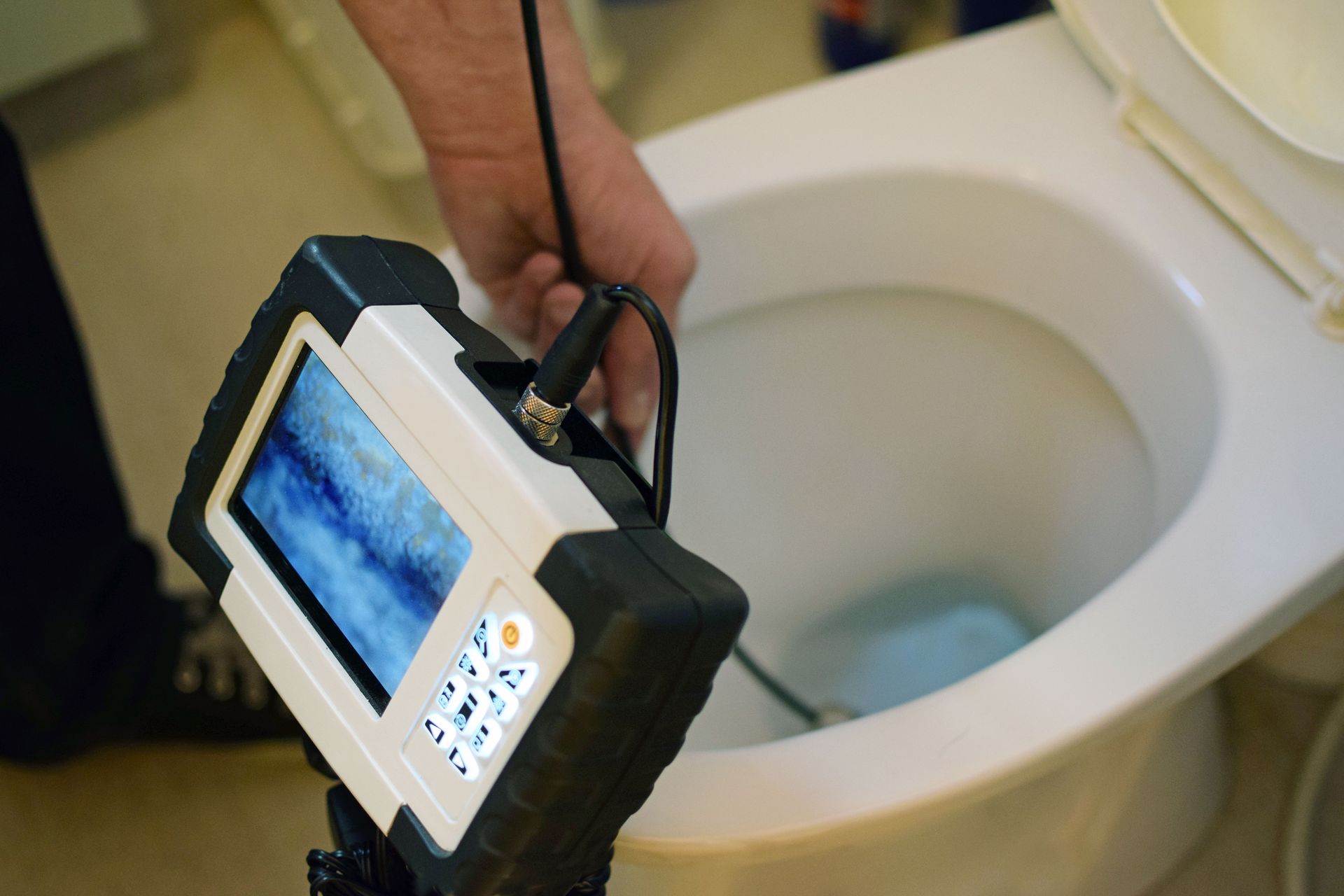
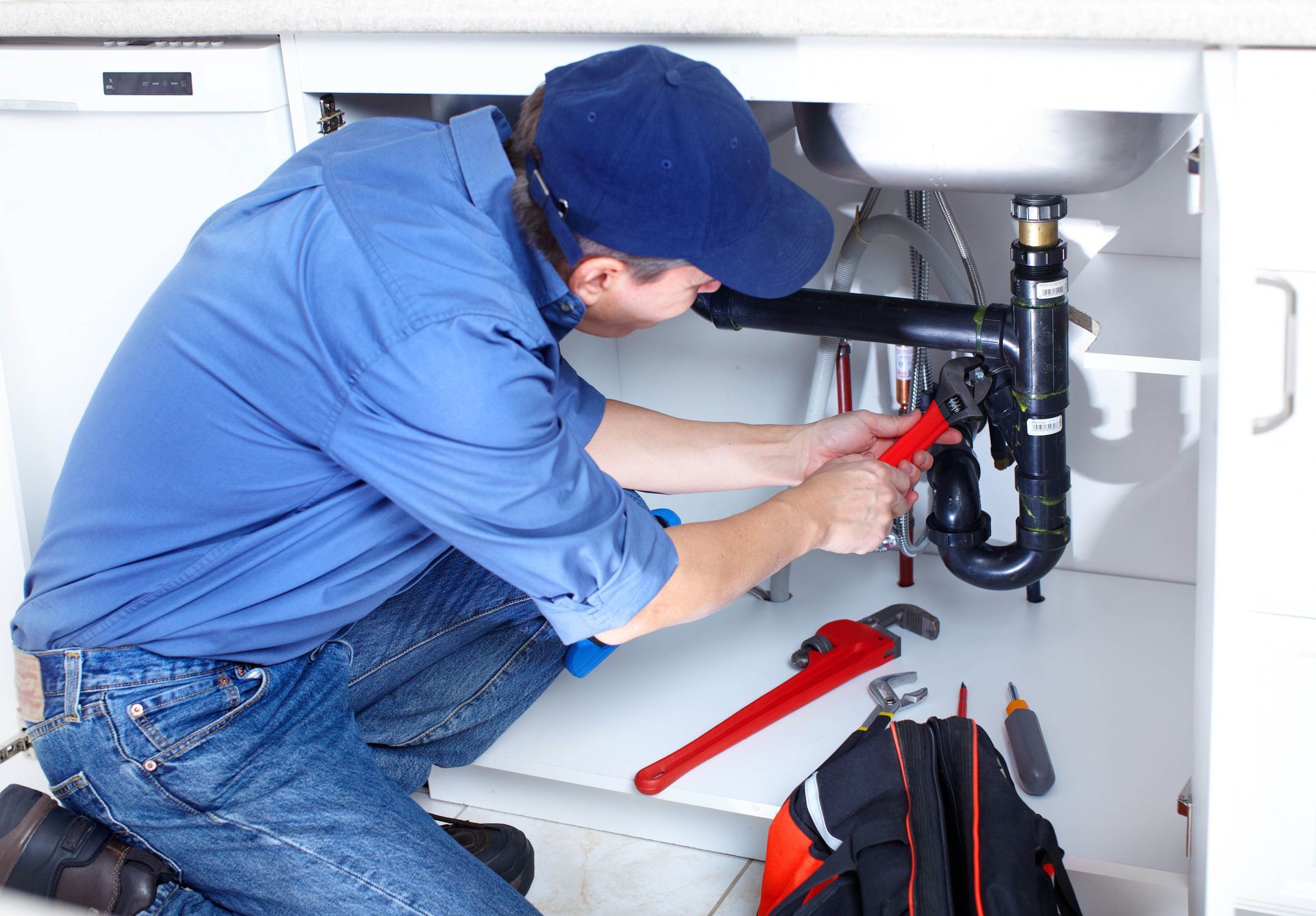
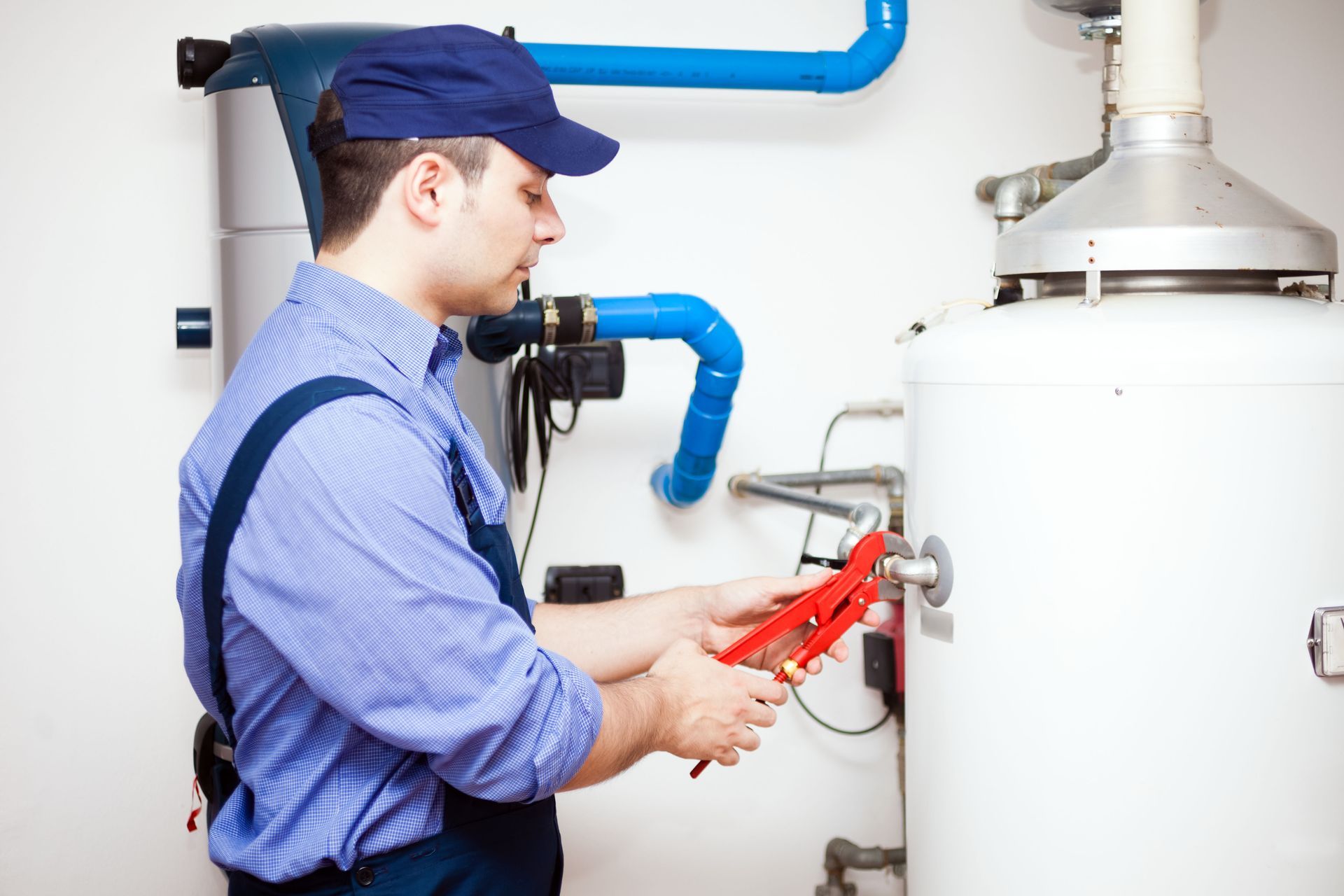
Professional plumbing services are invaluable for complex or unresolved issues affecting the toilet flush. A plumber has the expertise to diagnose hidden problems such as deep blockages or systemic plumbing issues. They possess the tools and experience necessary to perform advanced repairs and installation projects, ensuring high standards. Engaging professional services can provide peace of mind, knowing your plumbing system is in optimum condition. Regular consultations and maintenance checks by professionals help maintain a healthy and efficient plumbing network.
A weak toilet flush may be indicative of several underlying issues, ranging from simple clogs to complex mechanical problems. By understanding the causes and implementing the suggested improvements, homeowners can ensure a more efficient and reliable flushing system. This not only enhances personal convenience but also contributes positively to overall water usage efficiency. Addressing toilet flushing problems promptly can prevent larger plumbing complications and promote sustainable water habits. Awareness, proactive measures, and assistance from professional plumbing services are all key in maintaining an optimal toilet flushing performance. If you need plumbing assistance, reach out to our experienced team at MACA Plumbing today.